
Relocating to Albany, Oregon: The Complete 2026 Guide
What families and remote workers need to know before moving to Albany: cost of living, neighborhoods, schools, commute times, and local buyer insights.
Why Families and Remote Workers Are Choosing Albany, Oregon in 2026
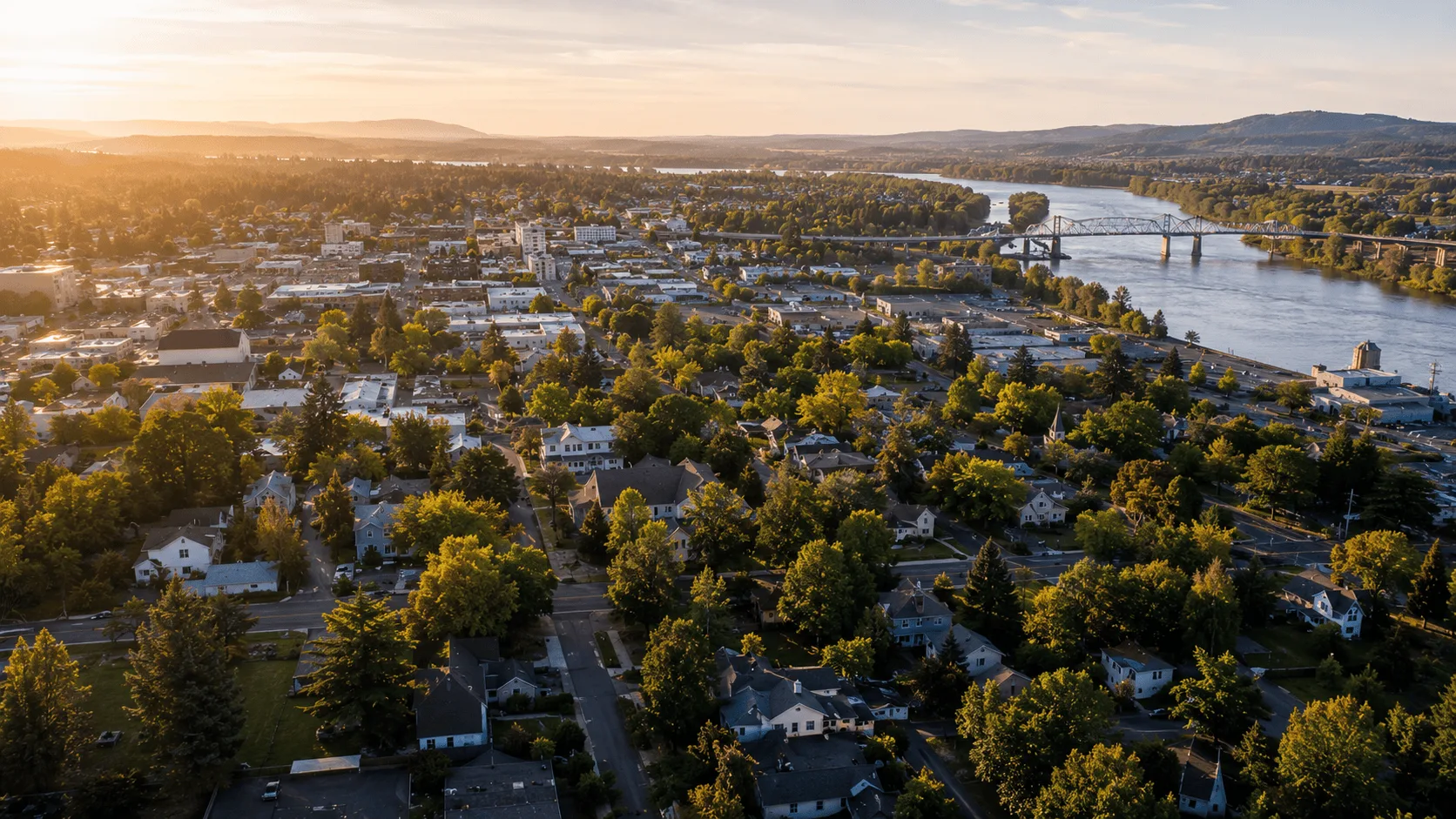
Albany, Oregon has become one of the Pacific Northwest's most compelling relocation destinations in 2026. Sitting at the geographic heart of the Willamette Valley between Portland and Eugene, Albany offers what most high-cost Oregon cities no longer can: genuine affordability, a walkable historic core, two rivers within city limits, and a pace of life that doesn't require a weekend to recover from the week. For families relocating from the Bay Area, Seattle, or Portland, the contrast is immediate.
The median home price in Albany sits around $420,000 in mid-2026, compared to $650,000+ in Salem and well over $500,000 in Corvallis. Remote workers who no longer need to commute daily are increasingly choosing to own in Albany and drive or take Amtrak to Portland for occasional office days. Albany's active development of new construction in North Albany, Knox Butte, and the Oak Creek corridor means inventory options that simply don't exist in more saturated Oregon markets.
What Does It Cost to Live in Albany, Oregon?
Albany consistently ranks among Oregon's more affordable mid-sized cities. Oregon has no state sales tax, which immediately changes the math on everyday spending. Groceries, utilities, and fuel costs run broadly in line with national averages. Median household income in Linn County is approximately $62,000, and Albany's housing cost-to-income ratio remains healthier than Portland or Bend.
Monthly utilities for a standard Albany home average $150–$200, depending on season and size. Property taxes in Linn County run approximately 1.1% of assessed value annually, and homeowners insurance averages $1,200–$1,500 per year. For relocators coming from California or Pacific Northwest tier-one metros, the financial shift is often significant enough to meaningfully improve quality of life within the first year of ownership.
Which Albany Neighborhood Should You Move to?
North Albany is the default choice for families relocating from out of state who prioritize school ratings and new construction. The neighborhood offers modern builds in the $450,000–$650,000 range with larger lots, newer infrastructure, and direct access to the Corvallis corridor on Highway 20. North Albany properties in some sections fall within Benton County and access Corvallis-adjacent school options, which many relocating families specifically seek.
Historic Downtown (the Monteith and Hackleman districts) attracts buyers who want character over square footage — original Craftsman and Victorian homes, walkable access to the farmers market, and proximity to the Willamette riverfront. Knox Butte and Oak Creek appeal to move-up buyers and families seeking new construction at slightly lower price points. South Albany and Periwinkle offer the most accessible entry prices in the city, typically $280,000–$380,000, with established neighborhoods and proximity to Linn County services.
What Are the Schools Like in Albany, Oregon?
The Greater Albany Public Schools (GAPS) district serves most of Albany and covers 14 elementary schools, three middle schools, and two high schools: West Albany High and South Albany High. GAPS consistently scores above state averages in reading and math at the elementary level. Both high schools offer Advanced Placement courses, Career Technical Education programs, and college-readiness pathways.
North Albany families in Benton County may also have access to Corvallis School District options, which are among the highest-rated in Oregon. For relocating families who place high priority on educational environment, visiting the specific school zone for a property before purchasing is strongly recommended. The attendance zone difference between two streets can shift school assignment significantly — something a local Albany agent can clarify before you make an offer.
How Far Is Albany from Portland, Corvallis, and Salem?
Albany's location on Interstate 5 makes it unusually well-connected for a city of its size. Portland is approximately 75 miles north — a 1.5-hour drive under normal conditions. The Amtrak Cascades line stops at Albany Station, giving commuters a car-free option to Portland or Eugene on a regular schedule. For remote workers with weekly or bi-weekly city trips, the train option removes highway driving entirely.
Corvallis is just 10 miles west — typically a 20-minute drive via Highway 20. Salem is 25 miles north (30–40 minutes on I-5). Eugene is 45 miles south (approximately 50 minutes). Albany sits at the center of a triangle formed by three significant economic hubs: Oregon State University in Corvallis, state government in Salem, and Portland's private sector. Many residents hold jobs in any of these cities while living in Albany at a meaningfully lower cost.
What Should Out-of-State Buyers Know Before Purchasing in Albany?
Relocating buyers benefit enormously from working with a local Albany agent who understands the micro-differences between neighborhoods — not just average price, but which streets flood in winter, which new construction builders honor their punch lists, and which listing prices reflect a motivated seller versus an anchored one. The Albany market moves quickly in the $350,000–$500,000 range, and out-of-state buyers without local intelligence often miss competitive windows.
Oregon uses escrow-based transactions without attorneys at close in most cases. The standard inspection period is 10 business days. Oregon's seller disclosure requirements are among the more comprehensive in the western US, which generally protects buyers who know how to read them. Pre-approval from a lender familiar with Oregon property taxes and HOA structures — common in newer North Albany subdivisions — is strongly recommended before making offers. Contact Jason Cadwell at Cadwell Group for a relocation consultation before or during your Albany visit.
Frequently Asked