
What Is My Albany Home Worth? A Seller's Valuation Guide
How Albany home values are set, what moves the number up or down, the CMA vs. appraisal difference, and when to get a valuation before selling.
How Do Real Estate Professionals Determine Your Albany Home's Value?
A home's value in Albany is not a single number — it's a range determined by analyzing what similar homes in your specific area have sold for recently, adjusted for the differences between those properties and yours. Real estate agents use a Comparative Market Analysis (CMA) to build this picture. A CMA pulls recent closed sales within roughly a half-mile of your property, typically within the last 90 days, and compares square footage, lot size, bedroom and bathroom count, condition, and location factors.
Experienced local agents add a layer that no automated tool can replicate: micro-knowledge. Which street drains better in winter. Which side of the neighborhood school attendance line a property falls on. Which recent sale closed below market because of a motivated seller, and which inflated the data because of a bidding war on an unusually renovated home. This context is what separates a precise Albany CMA from a Zillow Zestimate that treats your address the same as the one two blocks over.
What Factors Affect Home Values Most in Albany, Oregon?
Location within Albany is the single largest value driver. North Albany properties near top-rated schools consistently trade at a premium over South Albany or Periwinkle properties of comparable size. A 2,000 square foot home in North Albany near North Albany Elementary will typically sell $40,000–$80,000 higher than an identical home in South Albany, all else equal. The school district line is not just an education consideration — it is a real dollar value embedded in the property.
Condition and updates are the second major factor. Kitchens and primary bathrooms drive buyer perception disproportionately. A home with original 1990s finishes in an otherwise strong location will trade at a discount compared to a renovated comparable — sometimes 8–15% depending on the price band. Lot size matters in Albany more than in many markets because buyers coming from Portland or the Bay Area specifically value outdoor space. Proximity to parks, the Willamette riverfront path, and walkable areas adds measurable value in the Historic Downtown and Monteith District neighborhoods.
What Is the Difference Between a CMA and a Formal Home Appraisal?
A CMA is a professional analysis performed by a licensed real estate agent, provided at no cost as part of the listing consultation process. It establishes a pricing range for your home based on market data and agent expertise. A formal appraisal is performed by a licensed appraiser, typically costs $400–$650 in the Albany area, and produces a single certified value used by lenders to confirm they are not lending more than a property is worth.
Sellers don't typically pay for a pre-listing appraisal — a thorough agent CMA is the standard tool. However, pre-listing appraisals can be valuable in complex situations: estate sales, divorce proceedings, unique properties with few direct comparables (such as Historic Downtown Victorians), or situations where the seller and agent have a significant pricing disagreement. For most Albany sellers, a comprehensive CMA from a local expert is sufficient to price confidently and correctly.
How Have Albany Home Values Changed in 2025 and 2026?
Albany's residential market maintained steady appreciation through 2025 into 2026. Year-over-year price growth has run approximately 4.2% across the broader market, with stronger appreciation in North Albany (5.5–6%) driven by school premium and constrained new construction inventory. South Albany and Periwinkle saw more moderate appreciation in the 2.5–3.5% range as inventory was slightly more available in those price bands.
The $350,000–$500,000 range remains the most competitive segment of Albany's market in 2026, with average days on market hovering between 18 and 22 days for well-priced listings. Overpriced listings in every neighborhood are sitting 45–60+ days before either selling at a discount or expiring. The margin between a well-priced listing and an aspirationally priced one has widened in 2026 as mortgage rates have kept some buyers at the edge of affordability — precise pricing matters more now than it did in 2021–2022.
Which Home Improvements Add the Most Value Before Selling in Albany?
In Albany's market, the improvements with the best return on investment before listing are consistent: kitchen updates — specifically countertop replacement, cabinet repainting, and hardware upgrades — typically return 70–85% of their cost in increased sale price while dramatically speeding up buyer interest. Primary bathroom refreshes (vanity, lighting, tile recaulk) return a similar ratio. Both create the show-ready impression that separates a home with strong first-week showings from one that sits.
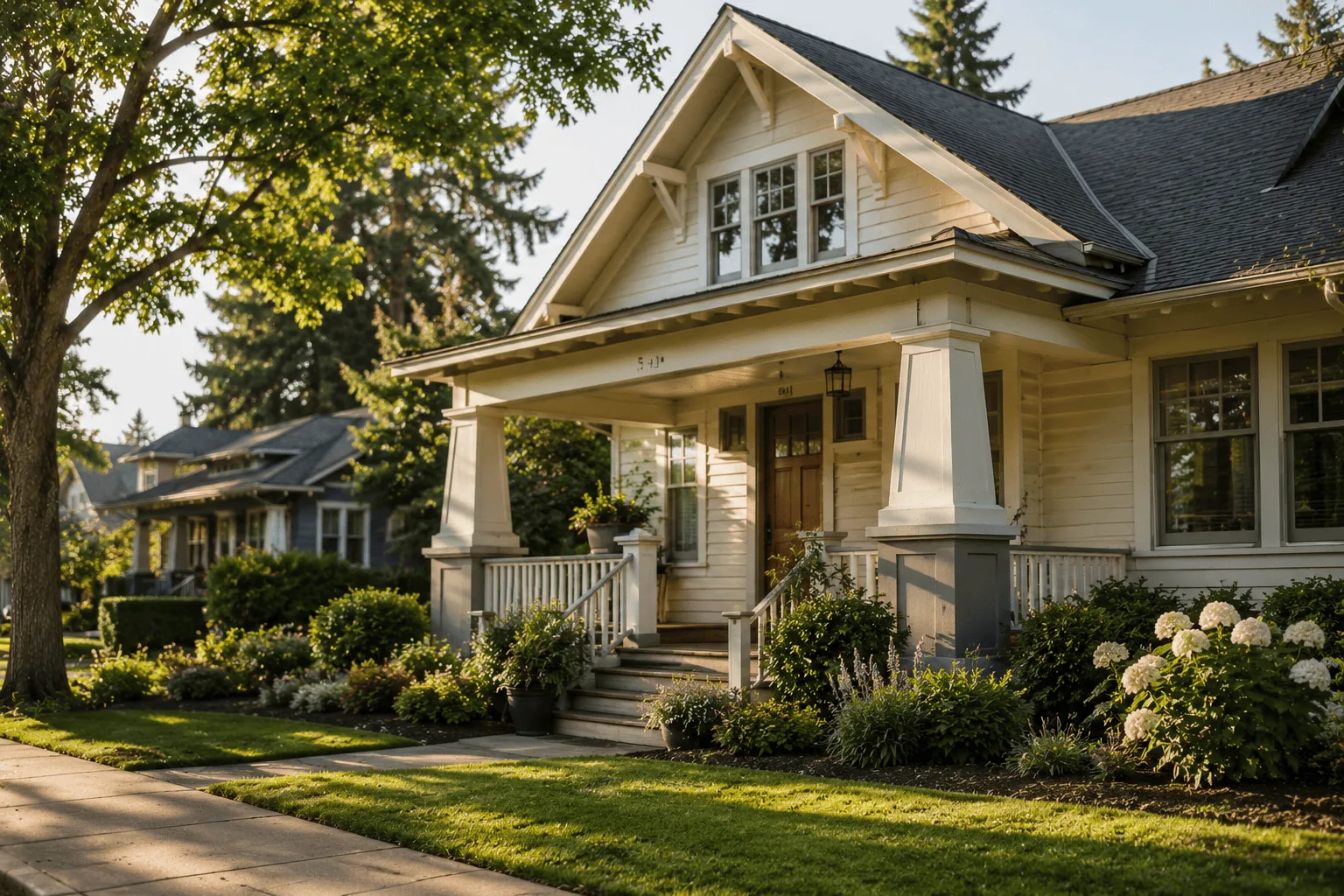
Curb appeal investments have an outsized return in Albany because most buyers form their first impression from listing photos, and the exterior shot is the first frame. Fresh exterior or front door paint, clean landscaping, and a pressure-washed driveway cost relatively little but communicate maintenance care that buyers extend to their view of the whole home. Conversely, large structural projects like full kitchen renovations, additions, or pool installations rarely return their full cost in Albany's current price bands — the market doesn't support the premium required to justify $80,000+ in renovation spend.
When Is the Right Time to Get a Home Valuation in Albany?
The most common trigger for a home valuation is considering a sale within the next 6–24 months. Getting a valuation 12–18 months before you intend to list gives you time to make targeted improvements that will maximize your return, time your launch to Albany's strongest seasonal windows (spring and early summer for family-driven demand), and avoid panic decisions driven by life changes. A valuation with time to act on it is far more valuable than one requested the week you decide to sell.
Valuations are also useful for refinancing decisions, estate planning, divorce proceedings, and insurance coverage reviews. For Albany homeowners who purchased before 2020, the appreciation since then has been significant — many owners are sitting on equity they haven't priced in years. A no-pressure, no-obligation valuation from Cadwell Group takes 30–45 minutes and gives you a current, hyperlocal read on your home's position in the market. Contact Jason Cadwell at (541) 619-4303 to schedule.